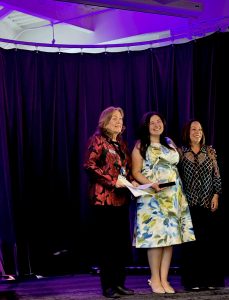
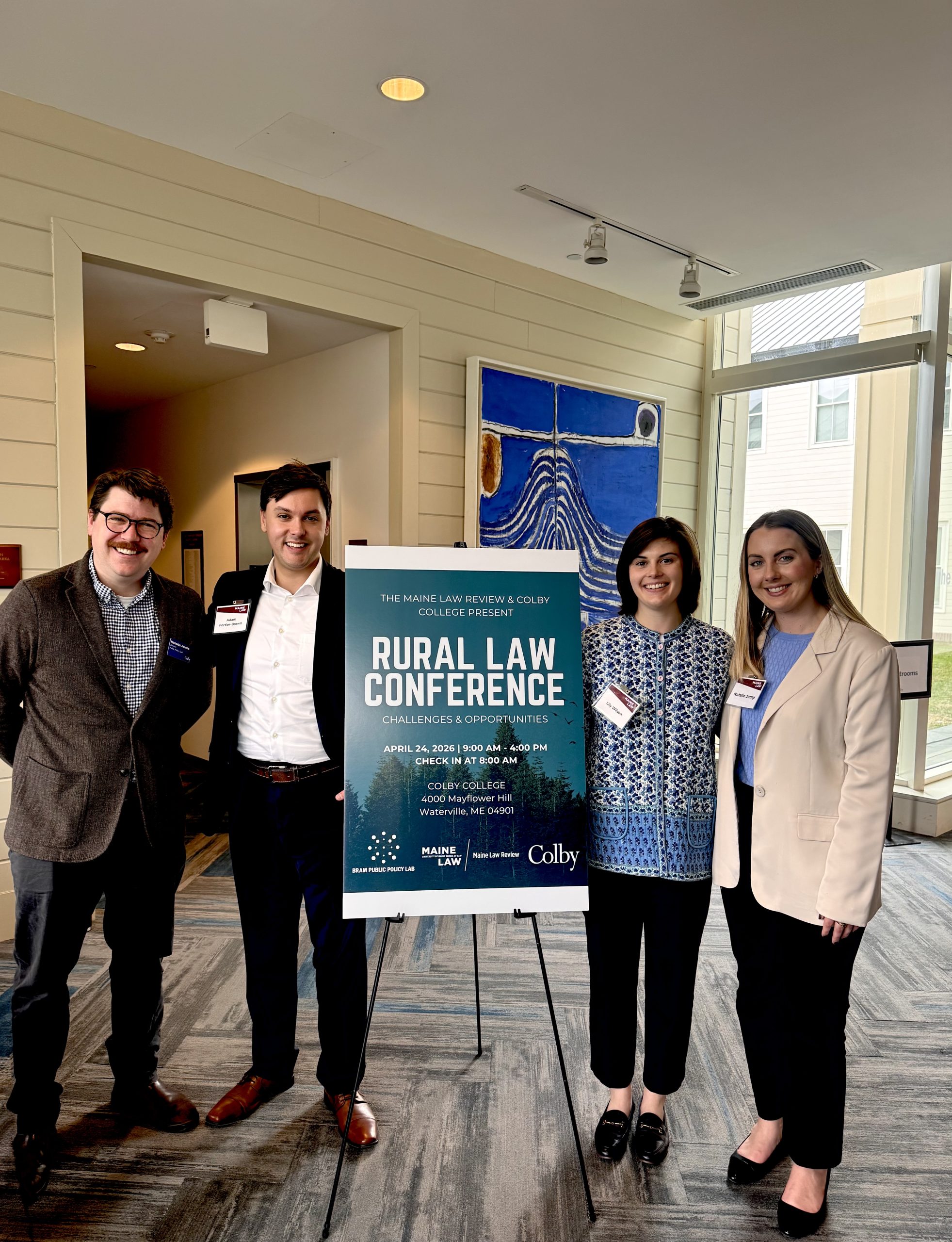
The 2026 Maine Law Review symposium, Rural Legal Perspectives: Challenges and Opportunities, brought together scholars, students, practitioners, and policymakers at Colby College to examine the persistent challenges facing rural communities. The conference focused on attorney shortages, access to justice, and the structural factors shaping legal service delivery in rural areas, while also highlighting opportunities for innovation and collaboration in Maine and beyond. At the center of the conference was one pressing question: How can we build sustainable, long-term systems that ensure access to justice in rural communities across Maine and the country?
The answers, drawn from scholars, students, and practitioners, pointed to a persistent national challenge. Across the U.S., large swaths of rural communities remain “legal deserts,” where attorney shortages are not temporary gaps but entrenched conditions shaped by demographic shifts, economic realities, and the long-term effects of COVID-19.
Keynote speaker Professor Cory Dodds of J. David Rosenberg College of Law framed the issue as structural rather than episodic. In many places, lack of access to justice is not an exception, it is the norm. Even well-intentioned service models, including clinics, can offer only partial relief, addressing immediate needs without resolving the underlying imbalance.
Maine is emblematic of both this challenge and the opportunity.
“Where you live should not determine whether you can access legal help,” said President and Dean Leigh Saufley. “At Maine Law, this commitment has long been central to our mission. It is reflected in our clinics and our externship and internship programs. It is a key component of our curriculum and in the ways we prepare students to serve communities across the state. From the launch of our Rural Practice Clinic to our support of events like this symposium, we are intentionally building pathways that connect legal education with pressing real-world needs.”
In a panel moderated by 3L Natalie Jump, Director of Maine Law’s Rural Practice Clinic Chris Northrop highlighted the promise of rural practice, pointing to the St. John Valley and other communities as places where meaningful, community-centered legal careers can thrive. Maine Law’s Rural Practice Clinic, designed to emulate a “Main Street lawyer” office, immerses students in real-world practice and has seen growing demand from students eager to pursue this work.
Still, capacity remains limited, and training alone is not enough. Speakers emphasized the need to go beyond exposure and build a sustainable pipeline—one that includes mentorship, financial support, and practical training in how to run a small-town law practice. As Northrop noted, the goal is not only to serve communities today, but to graduate attorneys who will stay and build their careers there.
“To keep lawyers in rural Maine, we need to look at the full picture,” said Adam Fortier-Brown, Editor-in-Chief of the Maine Law Review and symposium organizer. “Access to justice is ultimately just one part of the overall infrastructure, workforce, and economic challenges facing rural communities. There’s meaningful work being done across the state to address these issues already. This conference was about connecting those efforts so we can build solutions that are coordinated, durable, and rooted in the communities they’re meant to serve.”
For students like Seth Main, a 3L who worked in the Rural Practice Clinic, the challenges are both empirical and personal. His research examines the decline of attorneys in rural counties, identifying contributing factors that range from pandemic-era disruptions to long-term demographic shifts.
“In many rural counties,” he noted, “we’re seeing a decrease tied to COVID-19, an aging bar, and broader population changes.”
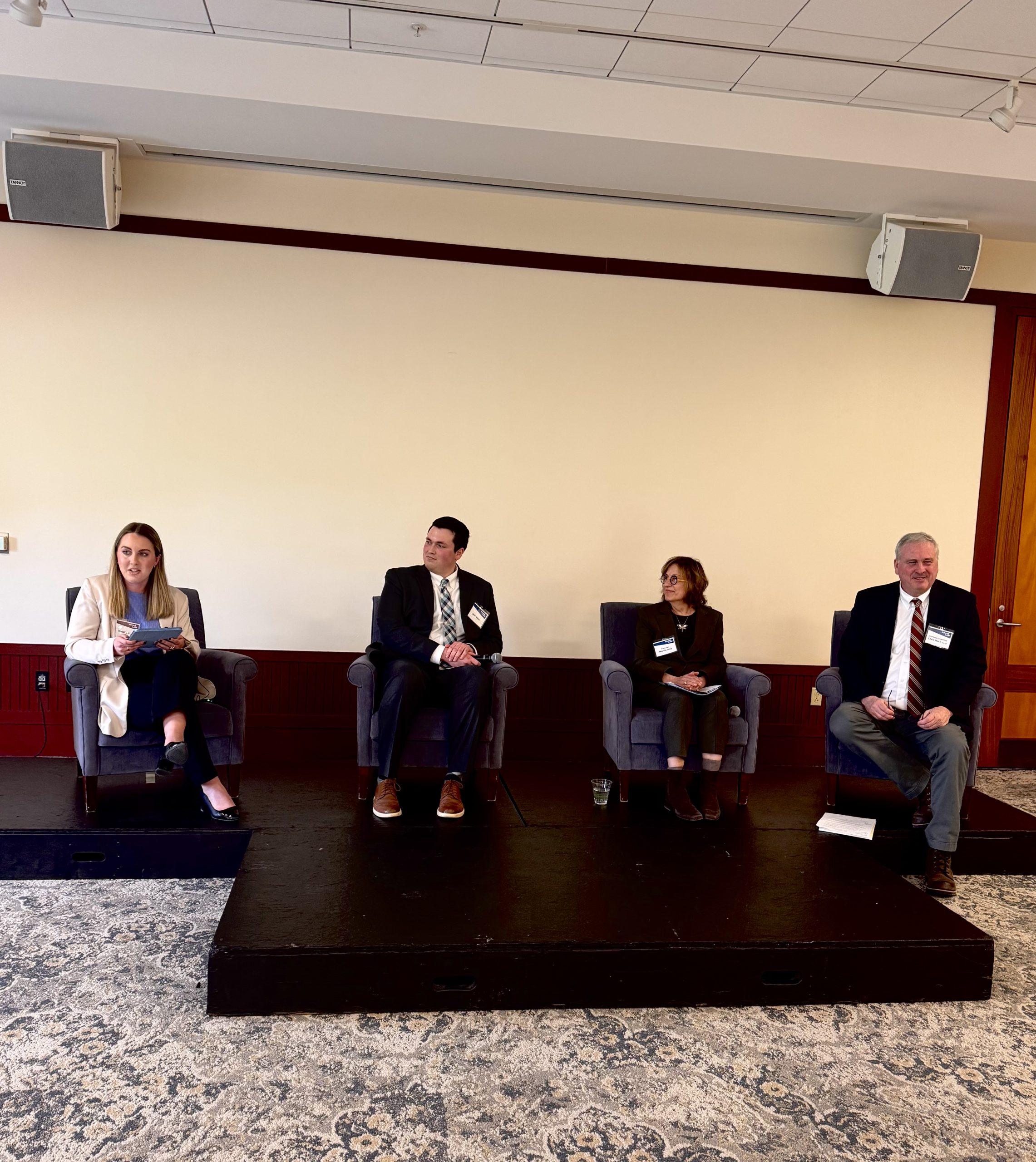
Throughout the day, discussions expanded to include the right to counsel and the broader systems that shape rural life, with contributions from organizations including Pine Tree Legal Assistance. The takeaway was clear: access to justice is inseparable from infrastructure, economic development, and community resilience.
By the symposium’s close, one point stood out. Rural legal deserts are not simply places of scarcity; they are places of possibility. The challenge, and the opportunity, for Maine Law and its partners is to ensure that justice is not something rural communities must travel to find, but something that takes root and endures where they are.
What emerged was a shared sense of direction. Strengthening rural justice will take time, but with sustained collaboration across institutions and communities, the path ahead is clearer than it has been in years.
“What stood out to me today was the range of people in the room invested in solving this problem,” Fortier-Brown said. “Lawmakers, practitioners, students, and community leaders, all working on different pieces of the same problem. If we can keep those people connected and moving in the same direction, I think Maine has a genuine chance to model what a successful rural investment strategy can look like.”
“We are deeply grateful to our partners at Colby College for their leadership in convening this important conversation in partnership with Maine Law,” said Saufley. “It is through partnerships like this that we are able to bring together diverse perspectives, strengthen our shared commitment to access to justice, and move toward solutions that will truly serve communities across Maine and beyond.”