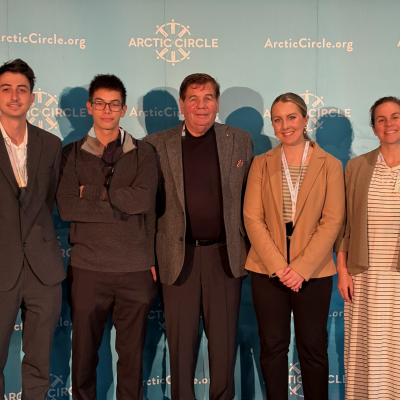
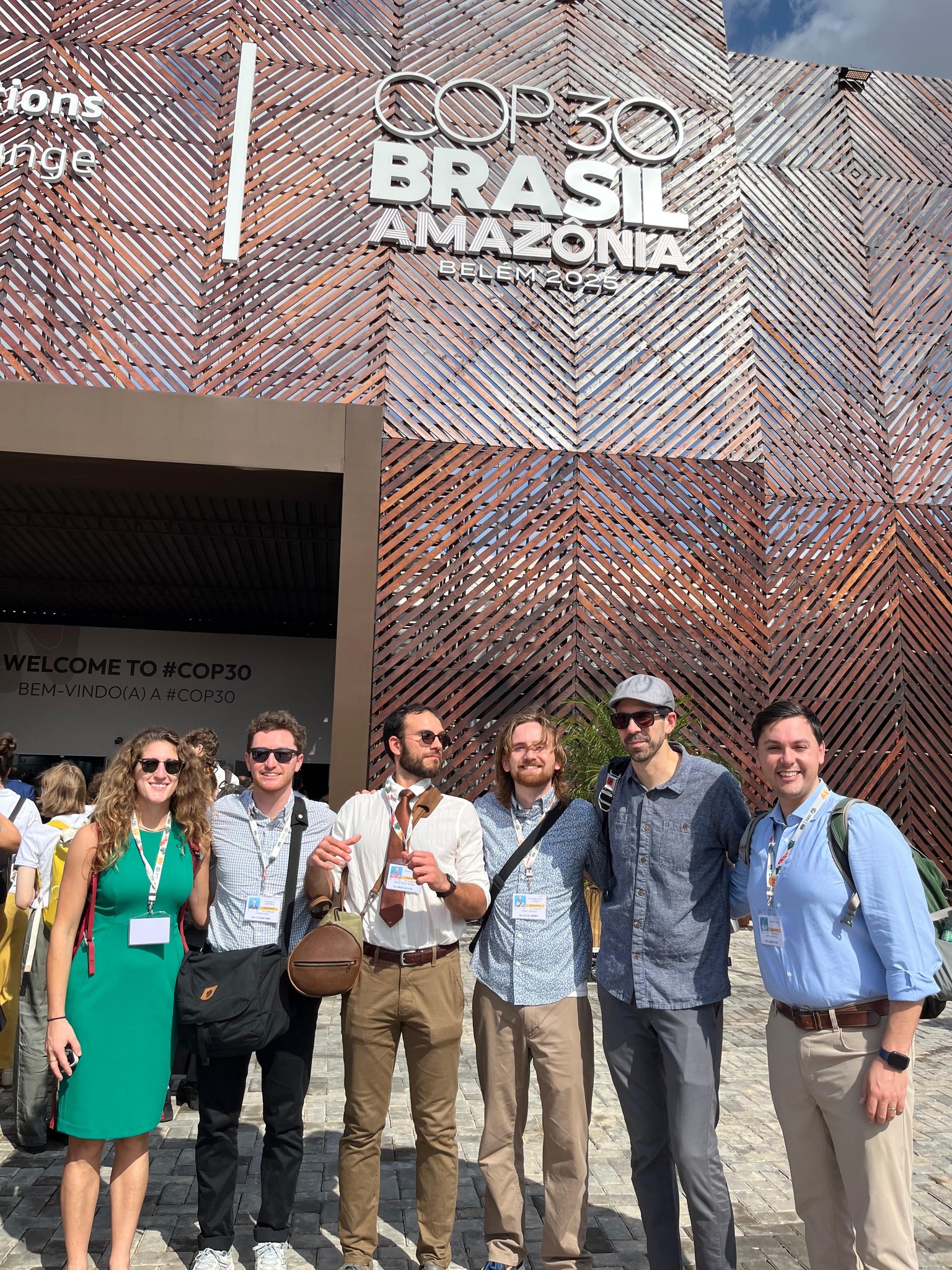
Four Maine Law students traveled to Belém, Brazil this fall as part of the University of Maine’s official delegation to the 30th Conference of the Parties (COP30) to the United Nations Framework Convention on Climate Change (UNFCCC) marking the fourth consecutive year that Maine Law has sent observers to the world’s most significant climate summit. Under the guidance of Professor Anthony Moffa, the students immersed themselves in international climate negotiations and high-level discussions among nearly 200 countries working to advance global responses to climate change.
For students preparing for careers in environmental, conservation, international, and administrative law, COP30 offered a rare seat inside the rooms where global environmental policy is shaped.
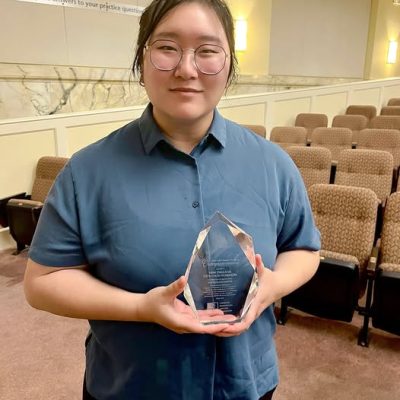
Second-year student Thacher Carter attended COP30 with a strong background in local conservation work but limited exposure to international climate governance. Experiencing global negotiations in real time reshaped his sense of scale and urgency.
“Prior to attending COP30, my knowledge on international climate policy was fairly limited. I worked for a statewide conservation organization before law school, and I currently volunteer on the board of a climate-friendly nonprofit farm, so my experience with work addressing climate change has mostly been at the local level,” Carter reflected. “Learning more about the Paris Agreement and observing international negotiations at COP30—and now being able to compare and contrast those experiences to the local-level work I’m more familiar with—has been a once-in-a-lifetime opportunity.”
Sessions on Article 6.2 of the Paris Agreement—focused on international carbon credit markets—highlighted the technical and diplomatic complexities students rarely see in a classroom setting. For Carter, the ability to compare global efforts with Maine-based initiatives deepened his understanding of how policy operates across jurisdictions.
For Stephanie Forbes, who also COP30 brought together months of coursework on international climate agreements and climate-related jurisprudence.
“Attending COP was the perfect way to connect the dots between what I’ve been learning in class, the research I’ve been doing, and the current state of affairs globally,” Forbes said. “We were able to see geopolitics play out in front of us and feel the tension as nations with differing priorities struggled to agree on the best way forward.”
Despite the often stilted pace of climate diplomacy, Forbes left feeling energized by the solidarity she witnessed.
“I left Brazil hopeful,” she said. “Two takeaways will stay with me: some change for the public good can often be better than no change at all, and second, the fight against climate change has shown that the collective power of people plays the most crucial role in moving humanity in the right direction.”
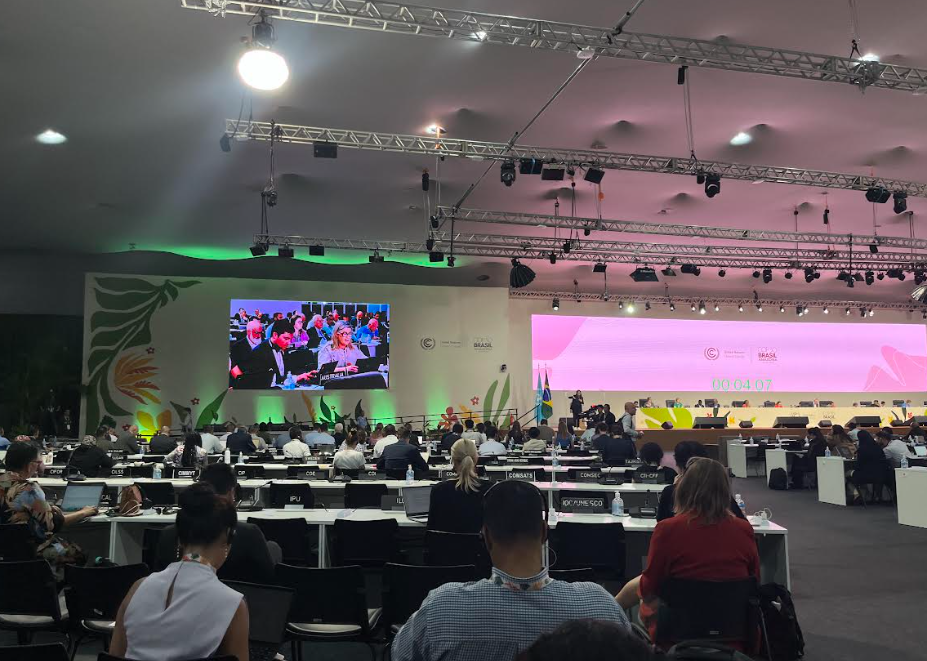
Professor Moffa emphasized that this kind of experiential learning prepares students to become thoughtful, effective environmental lawyers. By witnessing how agreements like the Paris Accord are negotiated, interpreted, and implemented, students gain a deeper appreciation for the complexity of legal systems they will one day help shape.
“Each year, our students return from COP with a deeper understanding of how global climate law is made and a clearer sense of their own power as future attorneys and advocates,” he said. “There is no classroom substitute for watching international negotiations unfold in real time.”
As Maine and the world confront rising environmental challenges, Maine Law continues to invest in opportunities that prepare its students not just to understand the law, but to lead the legal and policy innovations needed to confront a rapidly changing planet.